Hampstead station rubbish collection tips for small businesses
Posted on 12/10/2026
If you run a cafe, salon, small office, studio, or shop near Hampstead station, waste can become one of those quiet headaches that suddenly isn't quiet at all. Bags stack up fast. Packaging arrives before you've had coffee. A single missed collection can spill into the pavement, make the place look untidy, and create an awkward moment with staff or customers. These Hampstead station rubbish collection tips for small businesses are designed to help you keep things under control without overcomplicating the job.
The good news is that a reliable rubbish routine is usually less about doing more and more about doing the basics properly: separating waste early, timing collections well, and choosing the right disposal method for the kind of business you actually run. In busy areas close to transport links, that can make all the difference. Let's keep it practical.
Contents
- Why Hampstead station rubbish collection tips for small businesses matters
- How Hampstead station rubbish collection tips for small businesses works
- Key benefits and practical advantages
- Who this is for and when it makes sense
- Step-by-step guidance
- Expert tips for better results
- Common mistakes to avoid
- Tools, resources and recommendations
- Law, compliance, standards, and best practice
- Options, methods, or comparison table
- Case study or real-world example
- Practical checklist
- Conclusion
- Frequently asked questions
Why Hampstead station rubbish collection tips for small businesses Matters
When your business sits close to a station, you're dealing with a slightly different rhythm from a high street unit tucked away on a quiet road. Footfall surges. Deliveries arrive at awkward times. Staff may have limited storage space, and the area outside can be tight, especially around peak travel periods. If rubbish is left unmanaged, it becomes visible very quickly.
That matters for a few reasons. First, presentation. Customers notice the atmosphere long before they notice your pricing board or menu. Second, safety. Loose cardboard, broken packaging, or overfilled bags can cause obstruction or attract pests. Third, productivity. A cluttered back area tends to slow everyone down, and people start working around the mess instead of dealing with it properly. You know how it goes.
For small businesses in Hampstead, rubbish collection is also about fitting into the local environment. The area has a polished, residential feel in many places, and that creates a higher expectation around tidiness and noise. If you're operating early morning or later in the day, the last thing you need is avoidable disruption. Good collection habits help you stay professional without making a fuss of it.
There's also the matter of reliability. In smaller operations, one missed bin day can snowball into an extra pile in the stock room, then a smell issue, then a rushed clear-out on a Friday afternoon. Not ideal, to be fair.
How Hampstead station rubbish collection tips for small businesses Works
In simple terms, rubbish collection for small businesses works best when it follows a repeatable system. The business separates waste, stores it safely, schedules collection at the right frequency, and chooses a disposal route that matches the volume and type of waste produced. The "tips" part is really about reducing friction at each step.
Here's the typical flow:
- Identify waste streams such as general waste, cardboard, food waste, packaging, furniture, or old fixtures.
- Sort at source so staff are not mixing recyclable material with general rubbish.
- Use suitable containers that are easy to move, easy to label, and not too small for busy periods.
- Set a collection schedule based on real waste output rather than guesswork.
- Clear access routes so bags or bulky items can be removed without blocking customers or neighbouring businesses.
- Keep a record of what gets taken away, especially if you generate mixed or bulky waste regularly.
For some businesses, this is just a commercial bin arrangement. For others, especially if there's a refit, office reset, stock purge, or seasonal changeover, a one-off clearance service may be the cleaner option. If you're dealing with a larger amount of waste from a move, refurbishment, or end-of-lease tidy-up, it can be useful to look at office clearance in Hampstead as part of a wider disposal plan.
The key is not to treat rubbish as an afterthought. That's where businesses end up with overflowing sacks, poor sorting, and a few too many "we'll deal with it tomorrow" moments. Tomorrow tends to arrive quickly.
Key Benefits and Practical Advantages
Good rubbish collection habits do more than keep the place tidy. They support the business in ways that are easy to overlook until something goes wrong.
- Cleaner customer experience: A tidy exterior and back-of-house area helps your business look organised and trustworthy.
- Less operational friction: Staff can move stock, serve customers, or prepare orders without tiptoeing around waste.
- Lower risk of complaints: Neighbours, nearby residents, and other businesses are less likely to be bothered by bags left out too long.
- Better recycling habits: A simple sorting system often improves recycling rates without much extra effort.
- More predictable costs: Knowing your waste volume helps you avoid paying for emergency clear-outs.
- Reduced safety issues: Less clutter means fewer trip hazards, blocked exits, and awkward storage corners.
There is a very practical advantage too: when rubbish is under control, the business feels calmer. Not glamorous, but real. People work faster in a place that is clean and clearly organised. Customers feel that difference as well, even if they'd never say it out loud.
If your business produces recyclable cardboard, broken displays, or old furniture from time to time, it can also help to understand how dedicated disposal services fit around routine collection. A service such as rubbish collection in Hampstead can be a useful option when you need a straightforward, local solution.
Who This Is For and When It Makes Sense
These tips are useful for any small business operating near Hampstead station, but they are especially relevant if your premises are compact, customer-facing, or heavily delivery-based.
- Cafes and bakeries: packaging, food waste, and daily bag collection can build up quickly.
- Retail shops: cardboard, void fill, damaged stock, hangers, and display packaging are common.
- Offices and studios: paper waste, obsolete equipment, and general clutter often grow unnoticed.
- Salons and clinics: small spaces and strict presentation standards mean waste must be removed promptly.
- Hospitality venues: short collection windows and mixed waste streams make planning important.
- Trades and fit-out teams: if you're doing a small refurb or cleanup, the waste profile changes fast.
It also makes sense when your business is between landlords, preparing for inspection, or trying to reset the space after a busy season. If you have ever stood in a back room on a damp Monday morning and thought, "Right, we need a proper system," then yes, this is for you.
For businesses that are combining waste management with a wider premises change, it may be worth reviewing related support such as waste removal in Hampstead or, if you are clearing larger furniture and fittings, furniture disposal in Hampstead.
Step-by-Step Guidance
If you want a system that works in the real world, keep it simple enough that staff will actually follow it. Fancy processes tend to die quietly after week two.
- Audit what you throw away for one week.
Look at bags, boxes, packaging, food scraps, and any bulky items. You'll get a clearer picture than guessing. - Split waste into clear categories.
General waste, cardboard, food waste, reusable items, and bulky rubbish should not all end up in one place. - Measure your storage space.
Back rooms near station premises are often tight. Make sure bins, sacks, and containers do not block access or fire exits. - Pick collection times that suit your trade.
Early morning collection may work for a cafe; a shop may prefer after closing. Whatever reduces disruption. - Train staff with one simple rule sheet.
A couple of clear instructions beats a long policy nobody reads. - Decide what counts as bulky or special waste.
Don't leave broken chairs, shelving, or old stock mixed in with day-to-day rubbish. - Check access before collection day.
Can the waste be brought out without weaving through customers, deliveries, or other premises? - Review monthly.
If collections are always too full or half-empty, adjust the frequency rather than sticking with a poor fit.
A small but helpful habit: keep a designated "waste point" in the business. One point. Not three. Not "wherever there's room." A tidy collection area makes everything easier, especially when the day gets busy and nobody wants to be the person carrying bins across the floor for the fourth time.
Expert Tips for Better Results
These are the little things that tend to improve rubbish collection outcomes without creating extra work.
1. Match the collection method to the waste type
Cardboard and clean packaging should not be treated the same way as mixed waste or broken furniture. If your business has regular cardboard build-up, flattening boxes before storage can save a surprising amount of space. Small thing, big difference.
2. Put the heaviest waste nearest the exit route
If bulky items are being cleared, keep them close to the most practical exit point. That reduces carrying distance and lowers the risk of damage to walls, displays, or door frames. In tighter premises, that matters more than people expect.
3. Use visual labels, not just words
Staff move faster when the bins are clearly labelled with simple instructions like "cardboard only" or "general waste." A colour-coded approach can help too. It sounds basic because it is basic, and basic often works best.
4. Plan around local movement patterns
Near Hampstead station, timing matters. Late morning may be busy with commuters and shoppers; early evenings can be awkward as people head home. If you can avoid peak footfall, you'll usually have an easier collection day.
5. Keep an eye on smell, moisture, and pests
Food waste and damp packaging can create issues fast, especially in warmer spells. Seal bags properly, keep lids shut, and don't let waste sit longer than it needs to. You'll notice the difference almost immediately.
If your business is dealing with mixed clear-out material rather than everyday bags, a more tailored service such as junk removal in Hampstead may fit better than trying to force everything into standard collections.

Common Mistakes to Avoid
Most waste problems are not dramatic. They're just small misjudgements repeated until they become annoying.
- Waiting until bins are full before acting: by then you're already behind.
- Mixing every waste type together: this makes recycling harder and can create avoidable disposal costs.
- Underestimating seasonal spikes: Christmas packaging, event weeks, refurbishments, and stock deliveries all change waste volume.
- Ignoring storage conditions: damp corners, narrow hallways, and cramped basements are poor waste areas.
- Blocking shared access routes: this can upset neighbours, staff, or landlords and creates a poor first impression.
- Assuming one collection pattern works forever: it usually doesn't. Businesses change. Waste changes too.
Another common slip is treating bulky items as "someone else's problem." A broken chair leaning against a wall for three weeks is still taking up space and still looking like what it is: unfinished work. Truth be told, that's how clutter wins.
Tools, Resources and Recommendations
You don't need a complicated waste management stack. A few practical tools will do most of the heavy lifting.
- Labelled containers: useful for separating waste streams clearly.
- Tough refuse sacks: ideal for light general waste, but not a fix for overloaded bags.
- Stackable crates or tubs: helpful for cardboard, packaging, or reusable materials.
- A simple waste log: even a basic note on paper can show patterns over time.
- Floor-safe trolleys or dollies: useful when items must be moved through narrow indoor spaces.
- Protective gloves and clean-up supplies: sensible for staff handling waste directly.
From a planning point of view, it can help to review broader service options before deciding how to handle recurring waste. Many businesses start with the services overview and then narrow down what fits their actual setup. If you're comparing options and need a clearer idea of budget, pricing and quotes can help you think through what is likely to be cost-effective.
For businesses generating waste during upgrades, repairs, or strip-outs, you might also want to look at builders waste clearance in Hampstead. That's especially useful when rubble, timber offcuts, packaging, and broken fixtures all appear at once. Which, of course, they often do.
Law, Compliance, Standards, and Best Practice
Waste handling for small businesses in the UK should always be taken seriously, even if the scale is modest. You do not need to become an expert in waste law, but you should understand the basics and follow responsible disposal practices.
In practical terms, that means:
- Using authorised disposal routes for business waste instead of leaving items to chance.
- Keeping waste secure so it does not blow around, spill, or become a nuisance.
- Separating recyclable material where that is feasible for your operation.
- Managing hazardous or unusual items carefully rather than mixing them with standard rubbish.
- Keeping sensible records if your business produces regular waste or uses third-party collection services.
Best practice also means being considerate of neighbours and the street environment. Near a station, litter or obstruction can become visible in minutes, not hours. If access is tight, it's better to plan a shorter, cleaner collection window than to improvise on the day.
If you need reassurance around safe handling, it may be worth reviewing insurance and safety information before arranging any larger clear-out. For businesses that care about how waste is processed and what happens after collection, recycling and sustainability is also a useful reference point.
Where there is uncertainty about particular items, it is always better to ask first than to guess. That one habit saves a lot of hassle.
Options, Methods, or Comparison Table
Small businesses near Hampstead station usually choose between a few sensible collection methods. The best option depends on how much waste you create, how often it appears, and how much space you have to store it.
| Method | Best for | Strengths | Limitations |
|---|---|---|---|
| Routine business bin collections | Day-to-day general waste and some recyclables | Simple, familiar, low admin | Can be too rigid if waste volume changes often |
| Scheduled waste removal visits | Small offices, shops, studios, and hospitality sites | Flexible, can handle mixed loads and irregular amounts | Needs planning and clear access on collection day |
| One-off rubbish collection | Clear-outs, moves, refits, or spring cleans | Fast, convenient, reduces backlog | Not the cheapest choice for frequent ongoing waste |
| Skip hire | Larger refurb jobs or heavy disposal volumes | Good for bigger projects and bulky waste | Needs space and can be awkward near busy streets |
For many smaller premises, a flexible collection service is the sweet spot. Skip hire can be excellent in the right circumstances, but around station areas access and placement can be a bit of a headache. If you have a compact site, something more nimble may be easier. A look at skip hire in Hampstead can still be useful when you are planning a larger project and need to weigh the options carefully.
Case Study or Real-World Example
Here's a realistic scenario. A small cafe near Hampstead station starts the week with tidy bins, then gets slammed by takeaway packaging, cardboard deliveries, and a broken chair from the customer area. By Thursday morning, the back room is full, staff are stepping around sacks, and there's no easy way to bring more stock in.
Instead of waiting for the problem to grow, the owner does three simple things. First, cardboard is flattened immediately after deliveries arrive. Second, one corner of the store room becomes the designated waste point, so rubbish stops drifting around the premises. Third, the cafe books a collection before the weekend rush rather than after it.
The result is not dramatic, and that's the point. The room feels calmer. Staff stop wasting time moving bags twice. The space smells cleaner, looks better, and the business avoids that slightly panicked Friday feeling. Not glamorous, just effective.
This kind of approach also works well for smaller offices or studios. If furniture, old shelving, or accumulated clutter is part of the problem, a business can combine routine collection with a one-off clearance such as house clearance in Hampstead style services where appropriate, or a more office-focused approach if the site is commercial. The main lesson is simple: do not wait for the mess to become a project.
Practical Checklist
Use this checklist before your next collection day. Short and sharp is the aim.
- Have you separated general waste, cardboard, and any special items?
- Are all bags sealed and stored in one agreed place?
- Is the collection route clear of stock, boxes, and trip hazards?
- Do staff know what should be kept back and what can go out?
- Have you checked whether anything bulky needs separate handling?
- Is the timing practical for your opening hours and footfall?
- Have you avoided overfilling bins and sacks?
- Are recyclable materials being kept clean where possible?
- Do you know what you are doing with old furniture or fixtures?
- Have you reviewed whether your current collection frequency still fits the business?
Quick takeaway: if your waste area is easy to use, easy to clean, and easy to access, collections tend to run smoothly. Most of the stress comes from poor setup, not the collection itself.
Conclusion
For small businesses near Hampstead station, rubbish collection is really about keeping the operation steady. A good system protects your image, supports staff, reduces nuisance, and helps you stay one step ahead of the mess rather than chasing it. That sounds modest, but in a busy local setting, modest is powerful.
Start with sorting, keep the collection area clear, and choose a disposal approach that matches your actual waste output. If the business changes, adjust the plan. Simple, flexible, consistent. That's the sweet spot.
If you want to make collection day easier and avoid the usual scramble, now is a good time to sort it properly. Contact the team to discuss the right approach for your premises and get a practical plan in place.
Get a free quote today and see how much you can save.
And once the waste is under control, the whole place just breathes a little easier. It really does.
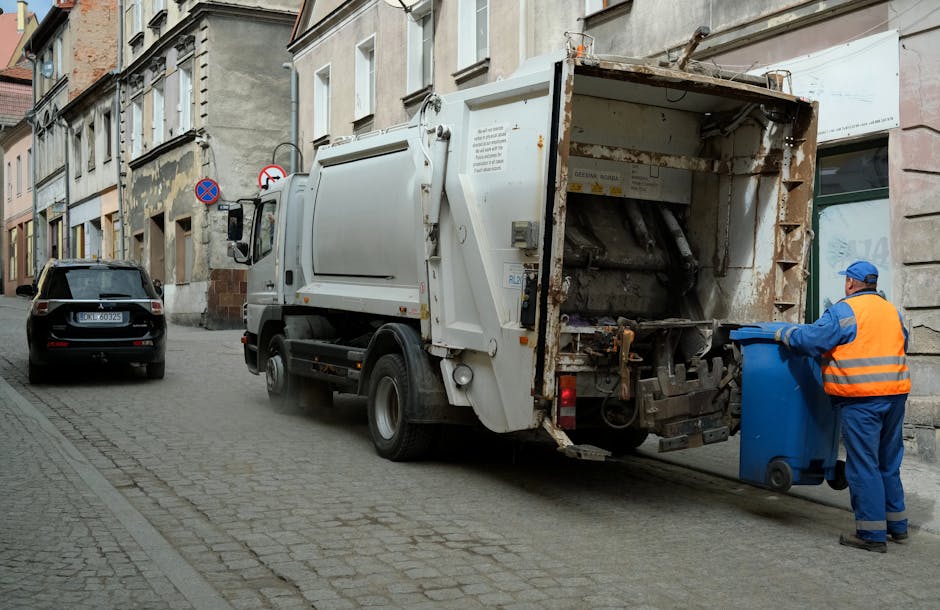


 Tipper Van - Rubbish Removal and Attic Clearance Prices in Hampstead, NW3
 Luton Van - Rubbish Removal and Attic Clearance Prices in Hampstead, NW3